 Read online
 Open access
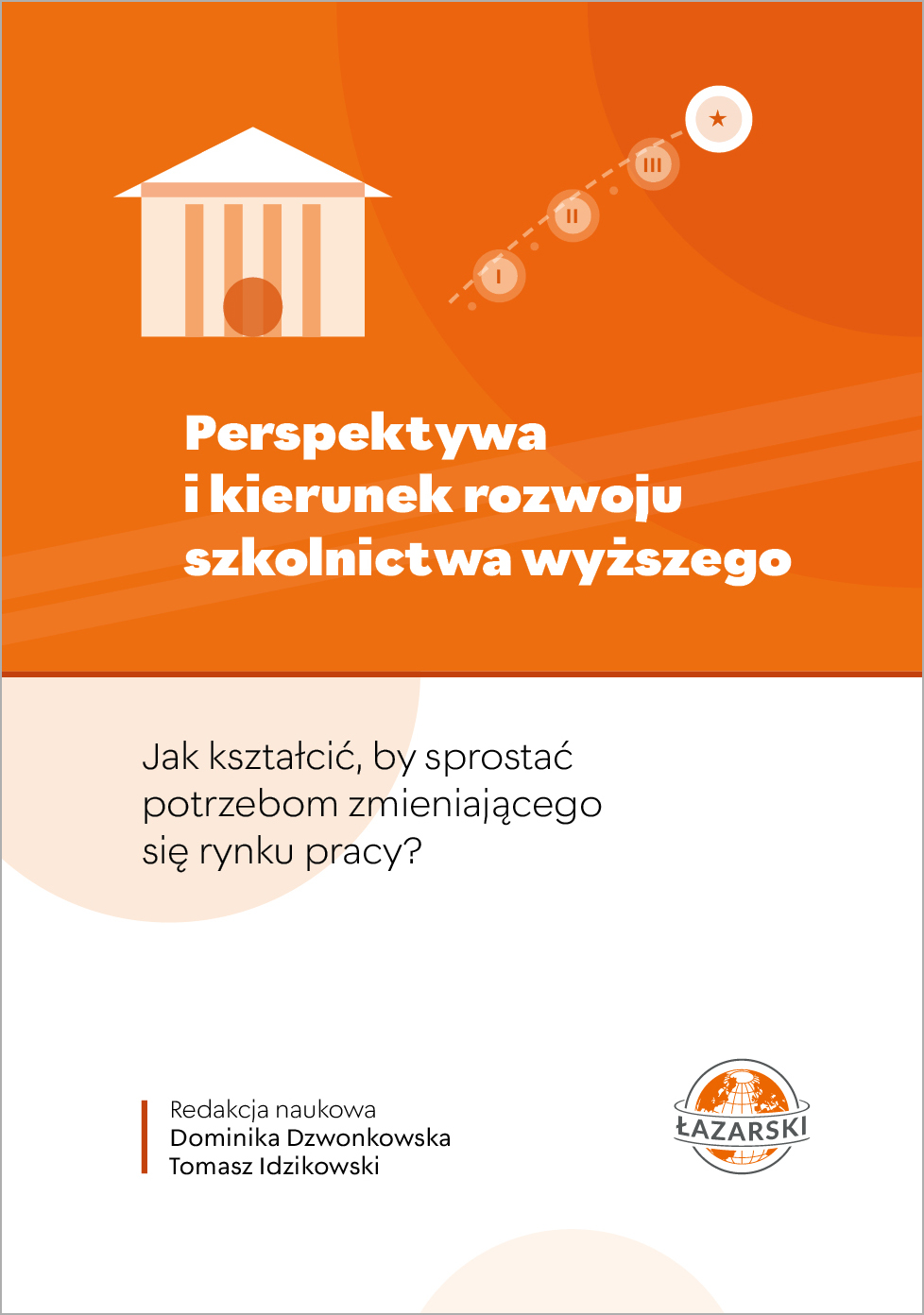
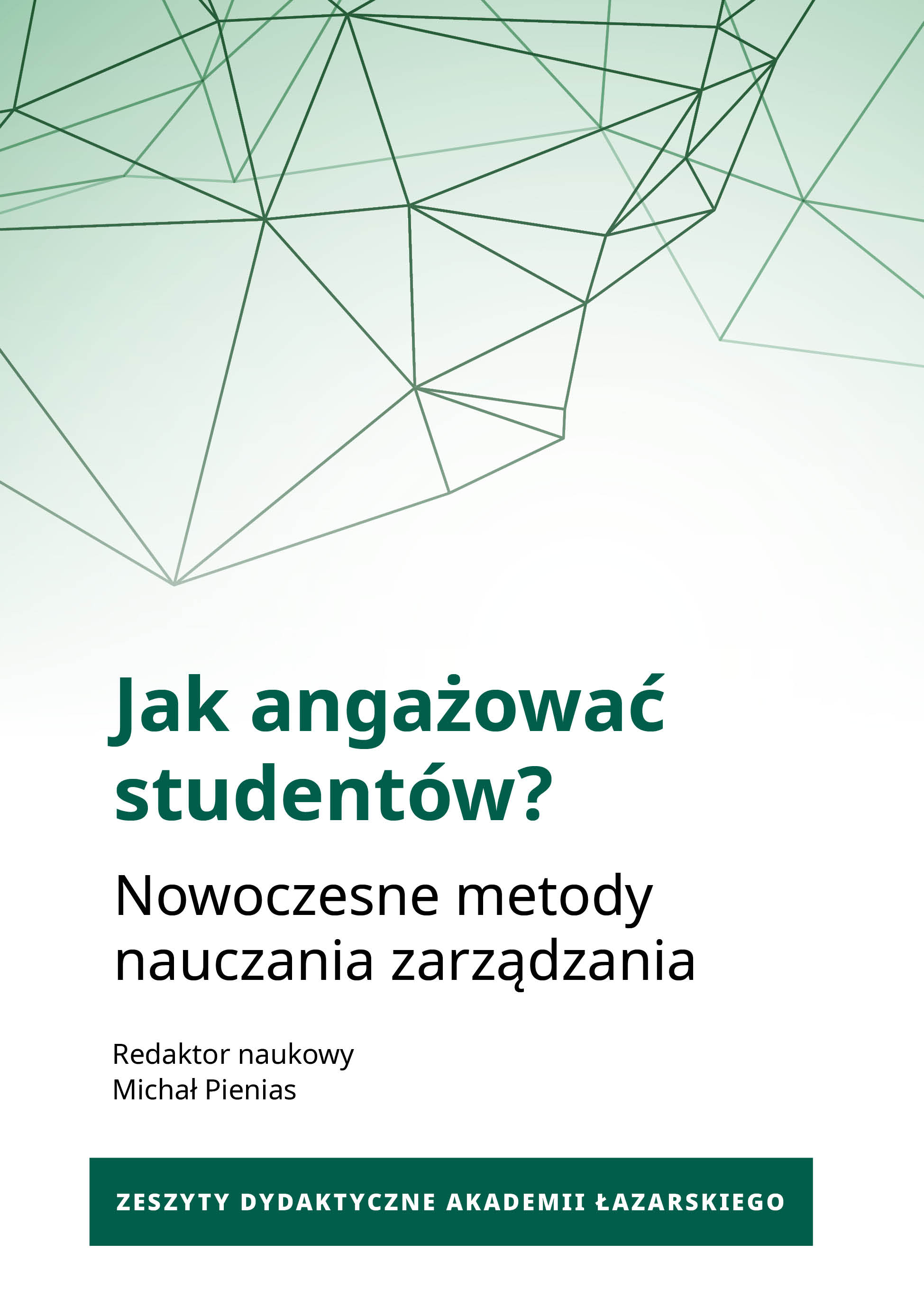
Jak angażować studentów? Nowoczesne metody nauczania zarządzania [How to Engage Students? Modern Methods of Teaching Management]
ISBN: 978-83-60694-87-9
eISBN: 978-83-60694-80-0
Scientific editor:
Michał Pienias


Open access
Warsaw 2026

Dominika Dzwonkowska
Tomasz Idzikowski

The title of the publication is both interesting and important from the perspective of the future of education in a world dominated by digital transformation, which is leaving a significant imprint on every sector of human life. For some time now, questions have been raised as to how higher education should respond to the ongoing and anticipated social and economic changes. To what extent do the prevailing educational paradigms meet the needs of the labour market, or do they instead call for radical change? Attempts to answer these and similar questions have already been made repeatedly in the international literature, including in Poland. Nevertheless, the dynamics of the transformations, associated, among other things, with the development of AI, calls for new studies and proposals for solutions commensurate with the challenges being identified, which can be recognised both on a macro scale – in a global dimension – and when considered in relation to local needs. It seems that this awareness underpins the authors’ reflections presented in the publication, which clearly draws attention to the need for change both in the way the academic community of tomorrow is perceived and in the academic education process itself. The main problem addressed in the title of the book is presented from a threefold perspective: the normative perspective, the practical application to specific curricula, and the needs of the labour market.
The monograph addresses an important and timely issue concerning the directions of development of higher education in the context of dynamic technological transformations and changing labour market requirements. Already at the level of its title and preliminary assumptions, the publication signals an ambition to capture one of the key challenges of the present day concerning modes of education in the context of the growing role of new technologies, particularly artificial intelligence.
Open access
ISBN: 978-83-60694-87-9
eISBN: 978-83-60694-80-0
Scientific editor:
Michał Pienias
Open access
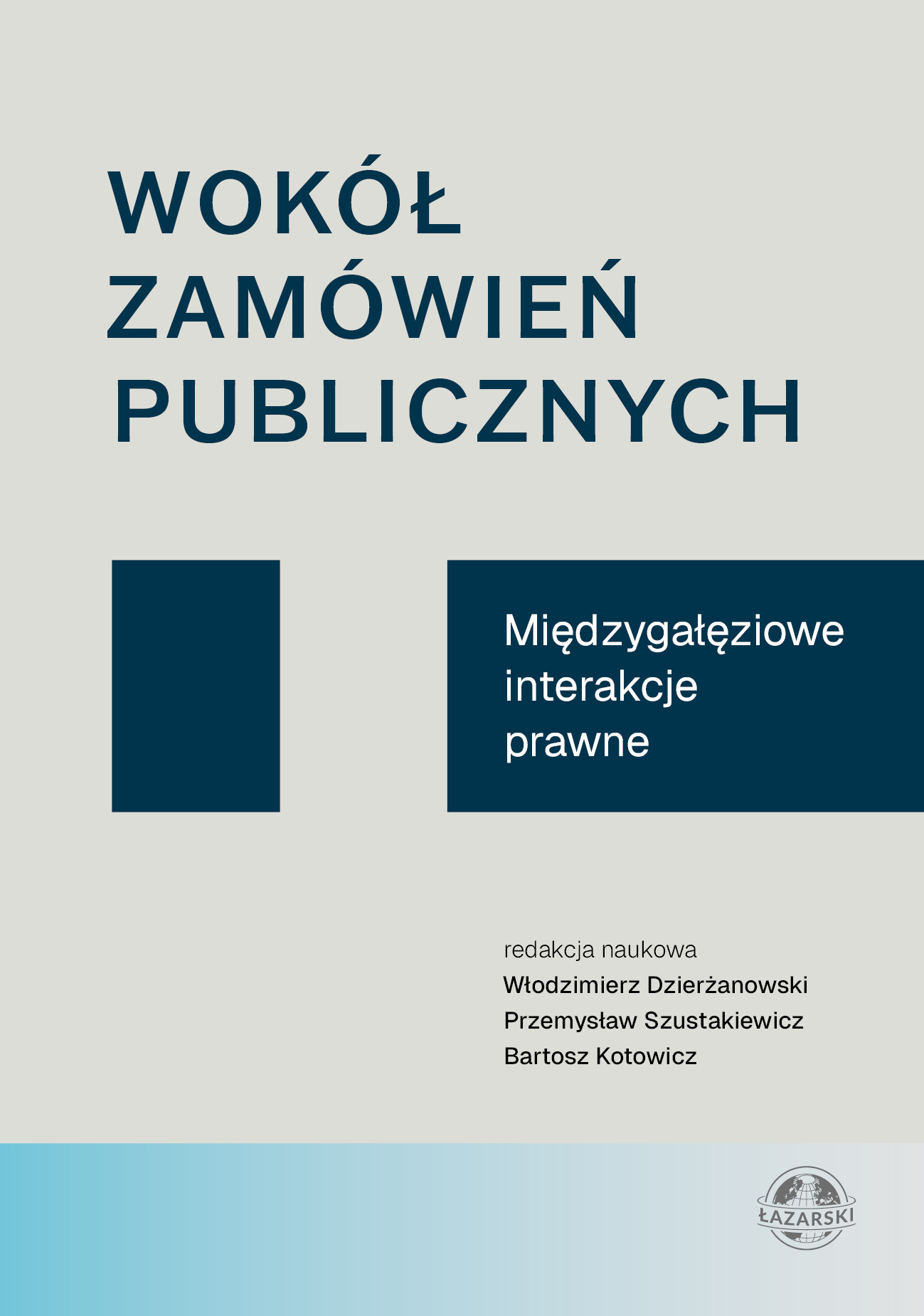
ISBN: 978-83-60694-81-7
eISBN: 978-83-60694-82-4
Scientific editors:
Włodzimierz Dzierżanowski, Przemysław Szustakiewicz, Bartosz Kotowicz
Open access
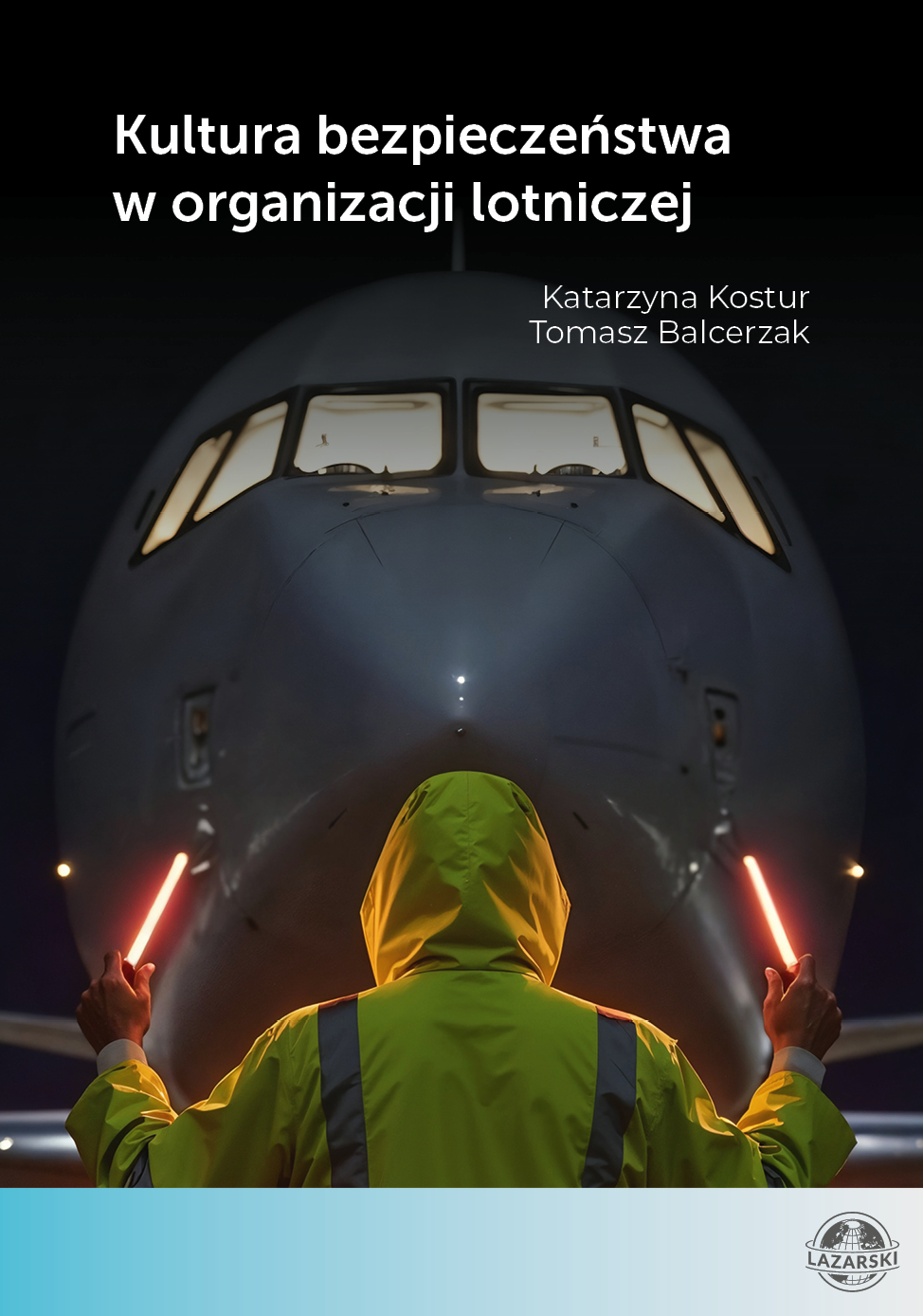
ISBN: 978-83-88690-27-3
eISBN: 978-83-88690-47-1
Authors:
Katarzyna Kostur, Tomasz Balcerzak
Open access
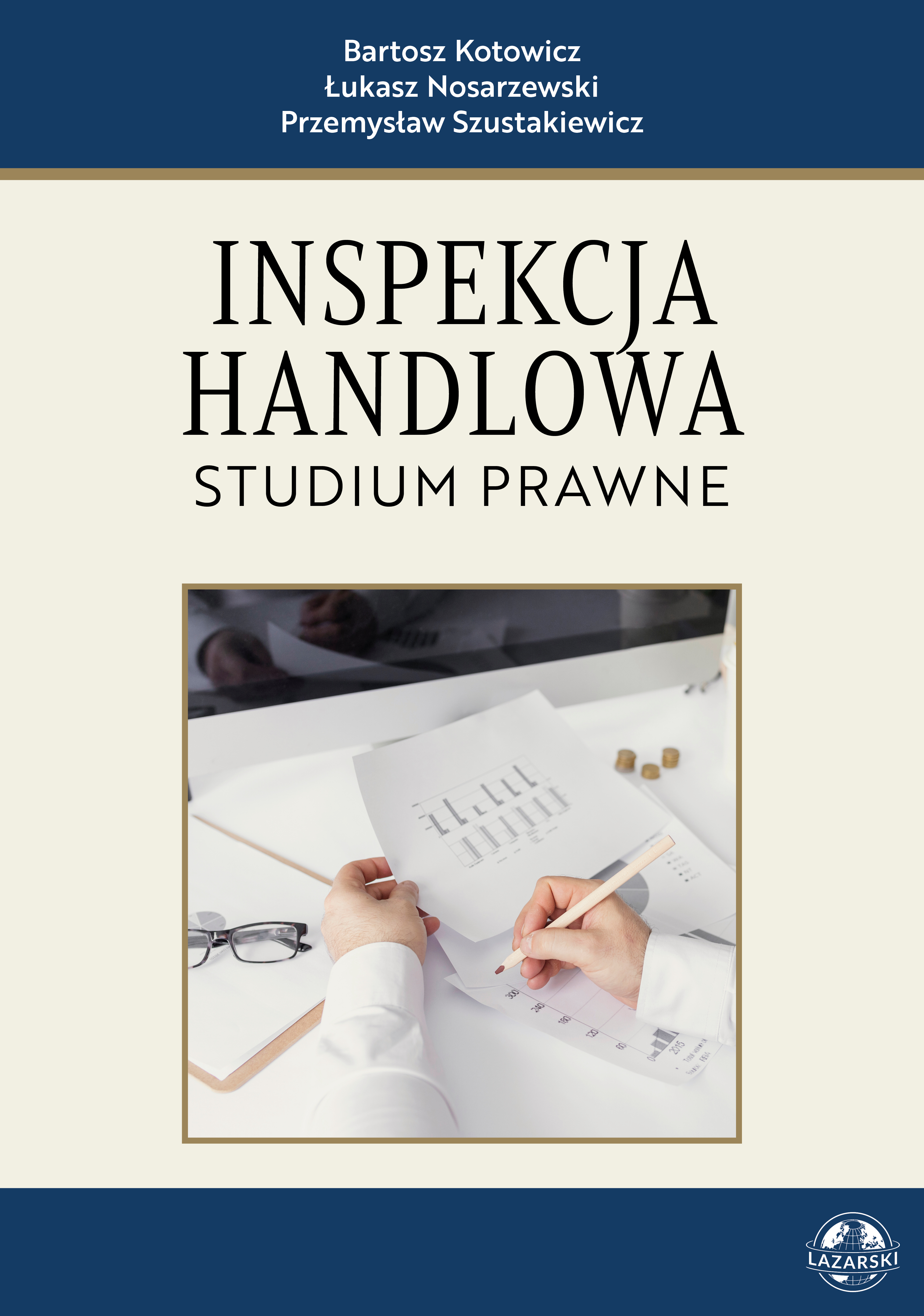
ISBN: 978-83-88690-17-4
eISBN: 978-83-88690-51-8
Authors:
Bartosz Kotowicz, Łukasz Nosarzewski, Przemysław Szustakiewicz