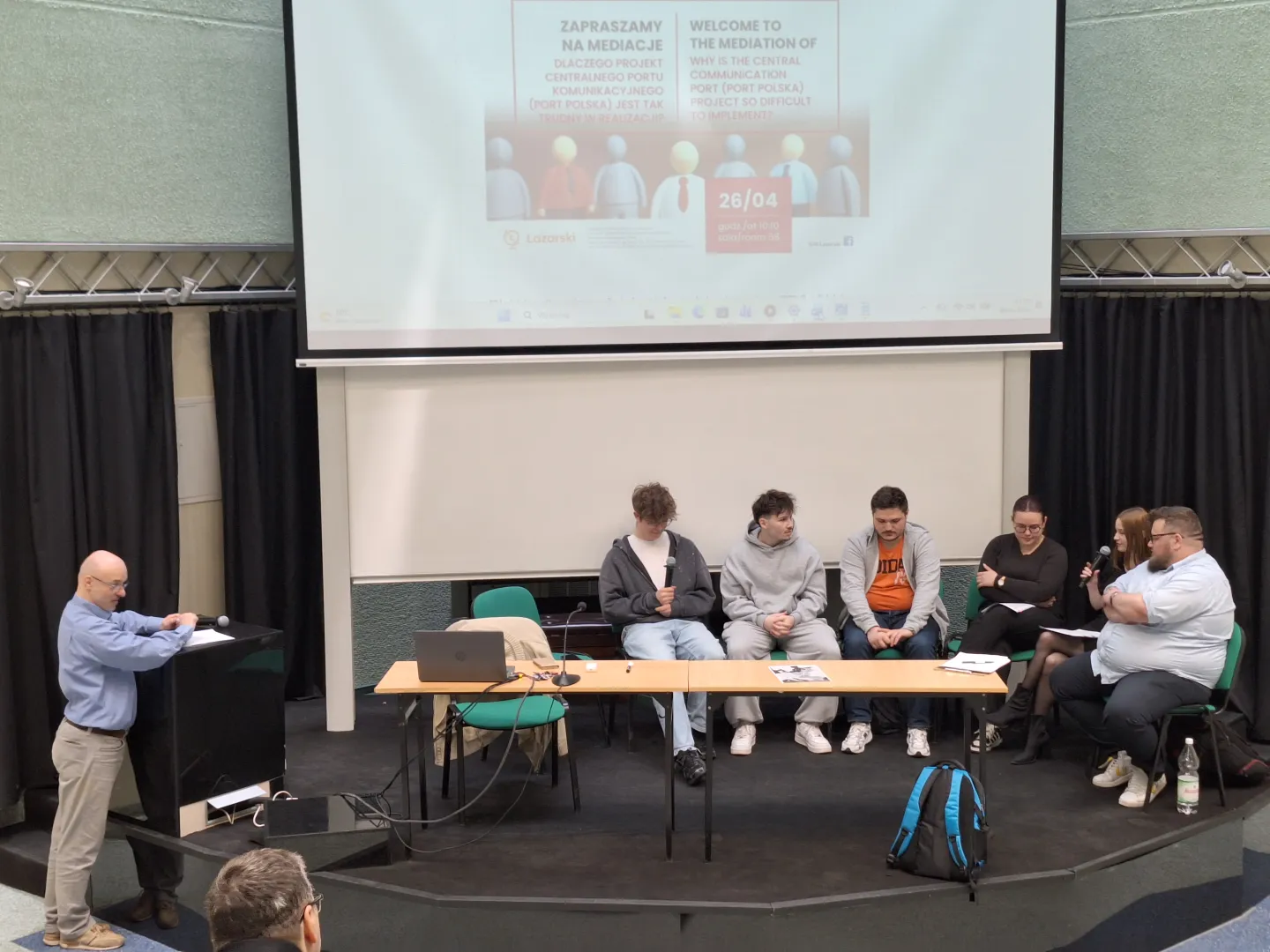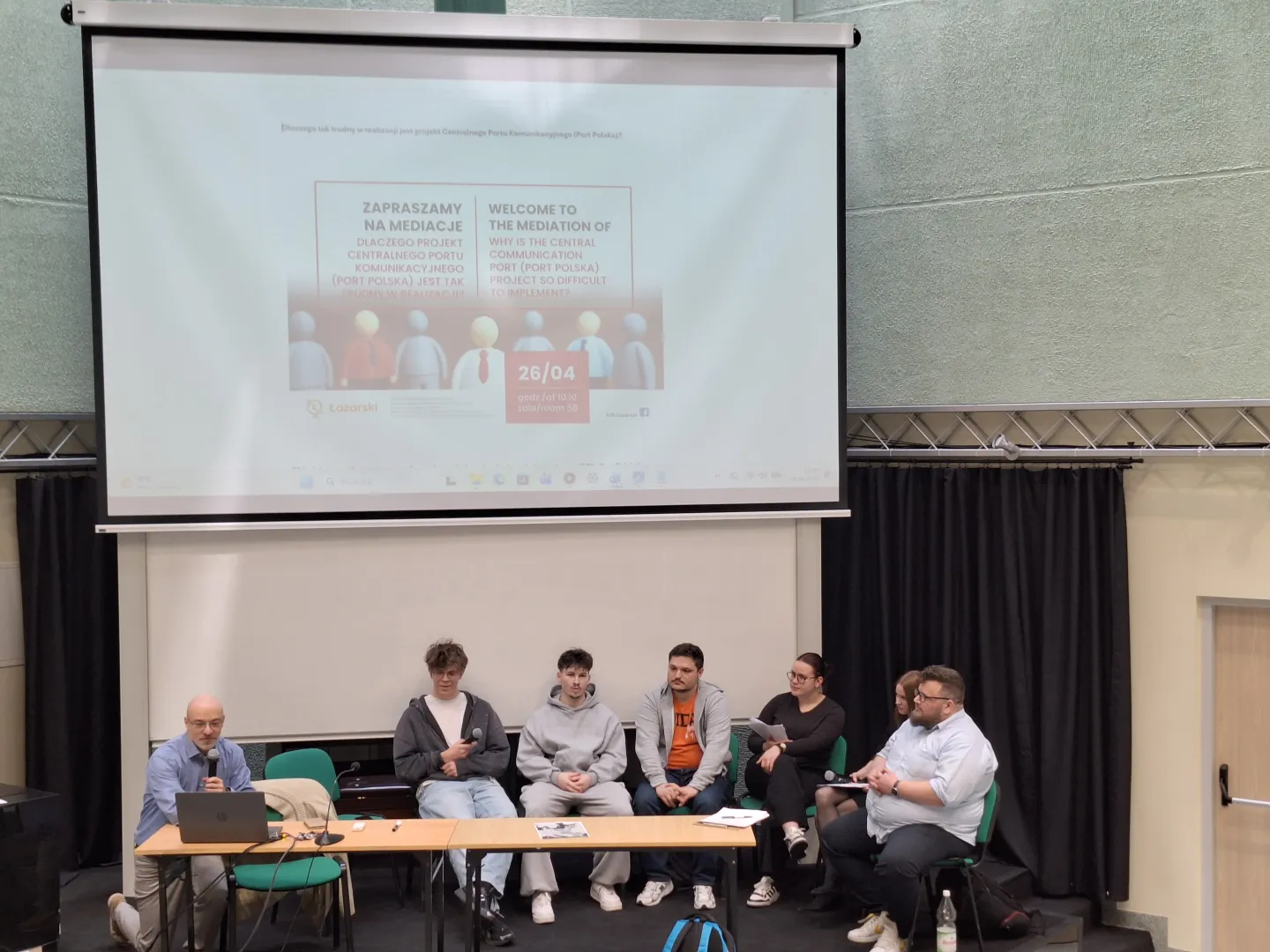

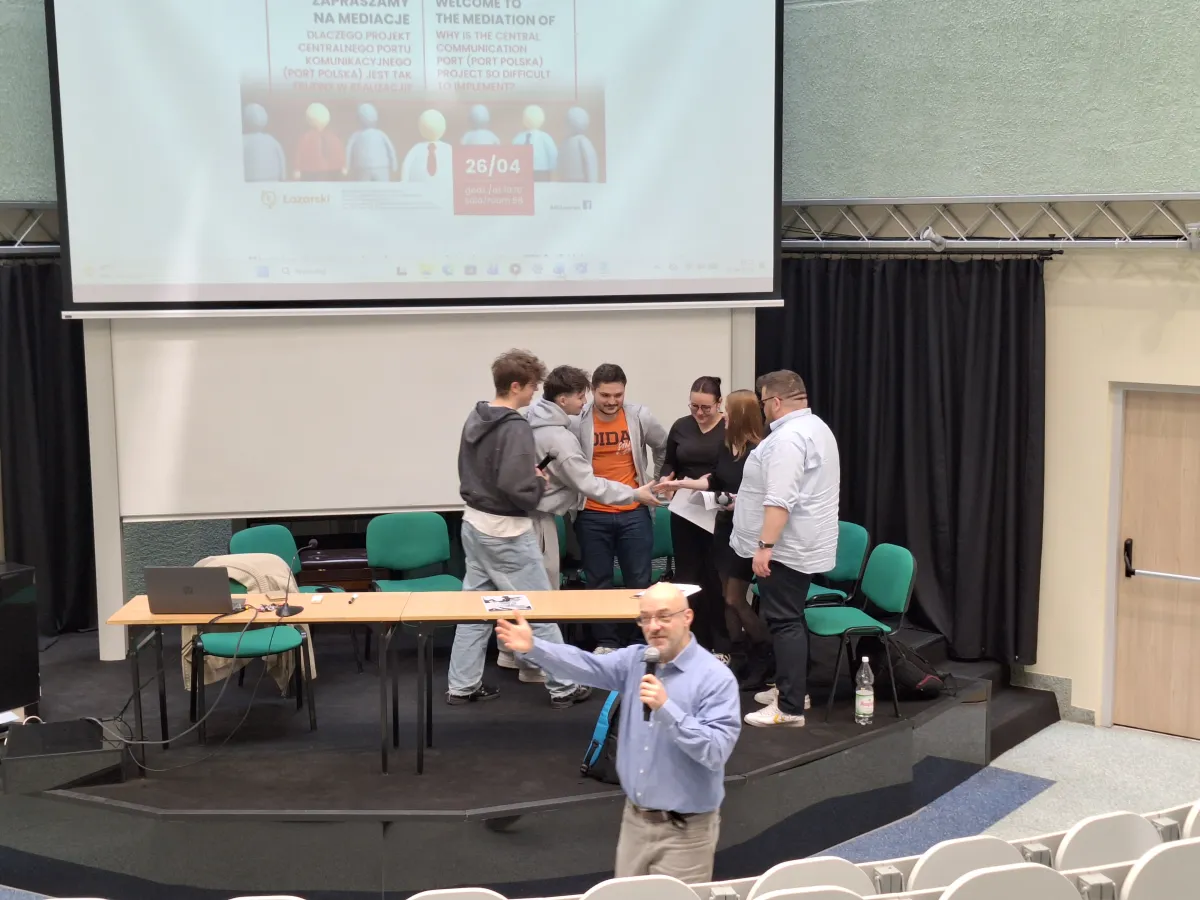
Following the current legal status, the government's special act mandates forced evictions, but local residents still protest against being treated disrespectfully and without proper consultation and without compensation for the loss of their land and buildings. The dispute therefore focused on the insufficient compensation for residents of the areas designated for the airport's construction in exchange for forced evictions.
The investor presented arguments regarding higher necessity and national interest. The loss of lucrative revenue from customs duties on air cargo transport and the need to maintain economic growth were demonstrated. The security aspect of the NATO pact was mentioned (the "dual hub" argument, i.e., the combination of a military airport and a cargo transshipment port with a civilian airport). The above arguments were presented as a significant factor in the decision to build the CPK. Arguments were also raised about the progressive and ongoing nature of the investment, guaranteeing future employment for hundreds of people living in the surrounding area and the beneficial effects for not only the local but also the national economy. The unique nature of the project on a European scale, connecting an airport with a rail and road transport hub, was mentioned. The investment amounts cited by the investor proved that the financial scale of the project is unmatched in Poland.
Local farmers and small business owners expressed concerns about the upcoming future and questioned alleged benefits for them in such a large-scale project: they feared losing their homes and disrupting their family history, being forced into forced and unwanted relocation. They complained about unfavorable relocation conditions without adequate compensation. They didn't want to be the only ones to lose out on this project or to be neglected.
The investor's offer, intended to reassure and win over the local community, was generous: purchase prices for land and buildings were offered at 20% higher than current market prices for the land and 40% higher for the buildings in these areas in exchange for relocation. Residents initially distrusted the investor's promises, demanding guarantees of keeping their word. Finally, the promise of a new home in exchange for the loss of their current homes and farmland of the same size but in a different location (a relocation offer) seemed to overcome the residents' reluctance. Of course, official agreements and guarantees from the investor were requested, and the offer was accepted.
The scale of the project demonstrated by the investor, along with the figures and statistics cited in its favor, meant little to the residents, but economic arguments, guaranteed assistance, and decent compensation for those directly affected by the investment decisions tipped the scales in favor of the project's continued implementation. Residents felt their perspectives were recognized and their concerns were heard.
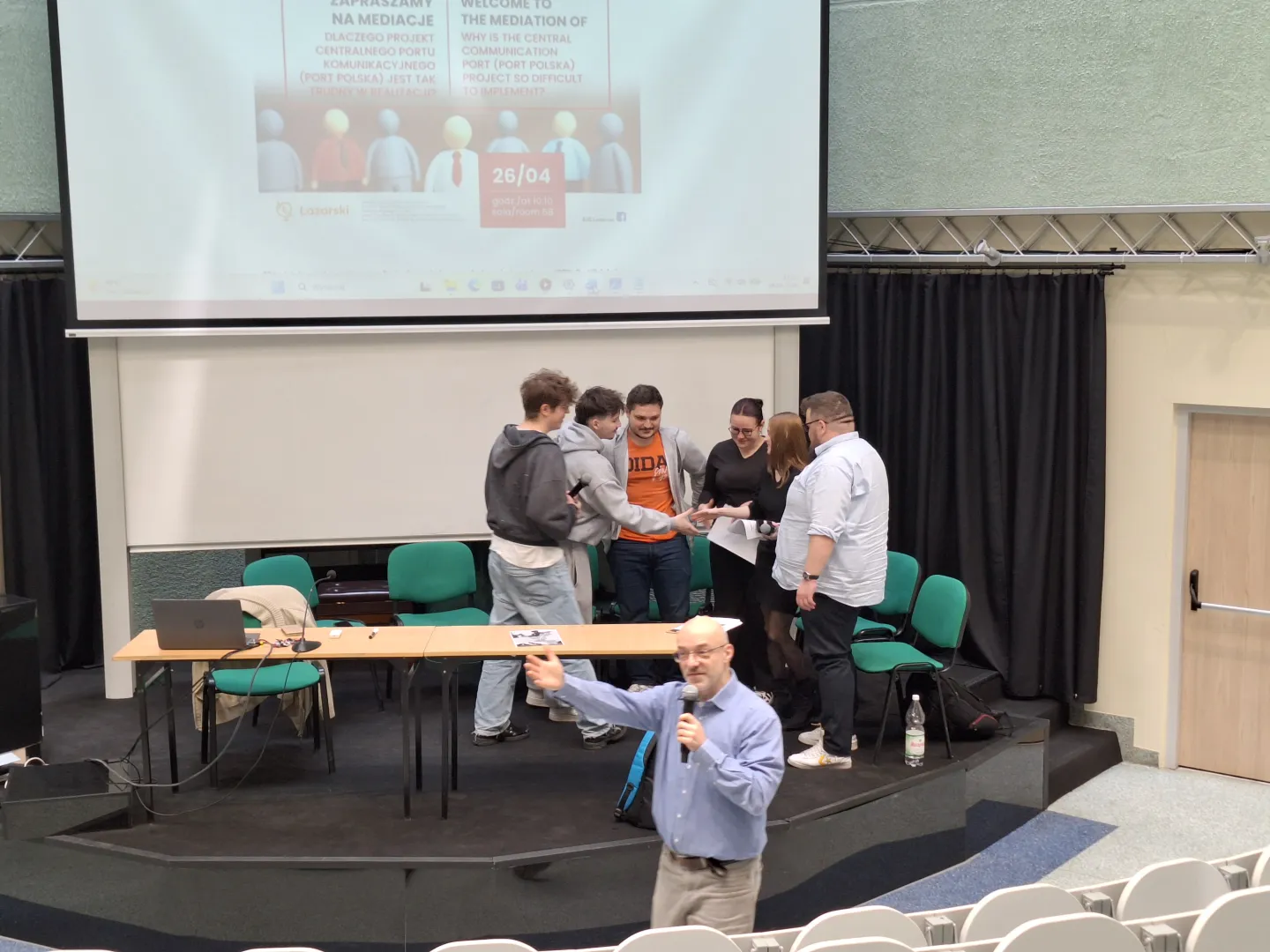
It is worth noting that the representatives of both parties demonstrated the willingness to reach an agreement (despite costly concessions and compromises). Their flexibility during the mediation ensured a positive outcome. With minimal assistance from the mediator, both parties reached an agreement in a single meeting. See you at the next edition of our mediation!